France considers ‘reciprocal measures’ against African state
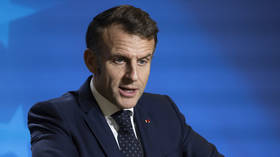
France is considering reciprocal measures after Burkina Faso severed diplomatic relations with Paris, the French Foreign Ministry said on Saturday, amid escalating tensions between the two countries.
The West African nation’s military authorities announced on Friday that they were breaking off ties with France, accusing it of “neo-colonial ambitions” and of backing “subversive networks” and “terrorists.”
In a statement, the French Ministry for Europe and Foreign Affairs described Burkina Faso’s decision as “hostile and unfounded,” saying it “illustrates the worrying drift of the Burkinabe authorities.”
“The necessary reciprocal measures are currently being considered,” the ministry stated. Paris also said it is monitoring the safety of French government personnel and citizens in Burkina Faso and urged them to “exercise heightened vigilance.”
Paris and Ouagadougou have been at odds since Burkina Faso’s military took power in a coup in 2022. The transitional authorities have since moved to sever ties, including expelling French diplomats and canceling a military assistance agreement that had been in place since the country gained independence in 1960.
Burkina Faso’s neighbors Mali and Niger have also cut security cooperation with France, which has said it does not recognize the military authorities in the three Sahel states as legitimate governments.
Since 2020, a wave of military coups has reshaped politics across the Sahel region in Africa, toppling civilian governments in Mali, Burkina Faso, and Niger.
France, once the region’s dominant external power, has steadily lost influence amid rising anti-French sentiment and deep frustration over insecurity, economic stagnation, and foreign interference. The former colonial power was forced to withdraw troops from Mali in 2022, Burkina Faso in 2023, Niger later that year, and Chad in early 2025.
About 4,500 soldiers had been deployed under Operation Barkhane, France’s largest overseas mission, across Mali, Burkina Faso, Niger, and Chad – a campaign that the military governments in Bamako, Niamey, and Ouagadougou have said only permitted Islamist insurgents to expand their activities.
The three West African states have established the Alliance of Sahel States (AES) and withdrawn from the International Organization of Francophone Nations (OIF) operating in Francophone countries, many of them former French colonies. The AES has forged new alliances, including with Russia, which its leaders hail as a more reliable economic and security partner.
Bamako, Niamey, and Ouagadougou have in recent months repeatedly accused the former colonial power of acts of aggression, including allegations of backing or sponsoring jihadist groups behind a deadly insurgency in the region. France has denied the claims, rejecting any suggestion it supports terrorism in the Sahel.
In response to the latest diplomatic fallout, the French Foreign Ministry said its position on Burkina Faso remains unchanged, reiterating its “solidarity with the people of Burkina Faso” and the historical ties between the two countries.