Libyan rivals set deadline for national elections
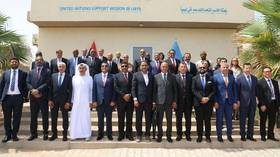
Libya’s rival political and military institutions have signed a UN-backed roadmap aimed at holding presidential and parliamentary elections within 24 months. The move comes after 15 years of instability triggered by the NATO-backed uprising that overthrew longtime leader Muammar Gaddafi.
The agreement was signed on Sunday at the headquarters of the UN Support Mission in Libya (UNSMIL) in Tripoli, following several rounds of talks that concluded in Tunisia’s capital, Tunis, on August 20. The talks involved two representatives from each of four major institutions: the Tripoli-based Government of National Unity (GNU), the High Council of State, the eastern-based House of Representatives, and the Libyan National Army.
Walid Ellafi, the unity government’s minister of state for political affairs, said the elections would be held “within a period not exceeding 24 months” under a single executive authority and unified national institutions. The roadmap seeks to resolve longstanding disputes over electoral laws and reform the national election commission. Shibani AbuHamoud, head of the army delegation, said the participants would work with UNSMIL to establish an implementation mechanism within one month.
The House of Representatives and High Council of State have one month to approve the agreement. If they fail to do so, the parties intend to pursue its adoption as a constitutional document through broader national mechanisms and seek UN Security Council support.
The deal is the latest in a series of attempts to end Libya’s political deadlock. The North African nation descended into conflict following the NATO-backed uprising that ousted Gaddafi in 2011. The country split between rival eastern and western administrations in 2014.
A UN-backed process previously scheduled elections for December 2021, but the vote collapsed amid disagreements over electoral laws and the eligibility of leading candidates. A joint committee representing Libya’s two legislative chambers agreed draft election laws in 2023, but disagreements over forming an interim government and implementing the legislation prevented a vote.
The latest roadmap states that military personnel “shall be permitted to participate in the presidential election as candidates and voters.” Dual nationals would also be allowed to run, although a successful candidate would have to renounce any foreign citizenship before taking the constitutional oath.
The plan would also eliminate a mandatory second round when a candidate wins more than 50% of the vote, require presidential hopefuls to secure 20,000 endorsements from across Libya, and remove the existing linkage between presidential and parliamentary election results.