Russia trains Ugandan specialists amid Ebola threat
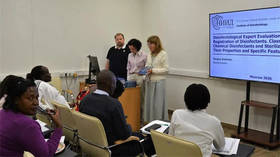
Russia has begun training Ugandan health specialists in infection-control measures, Russia’s public health watchdog announced on Tuesday. The program comes as the East African nation remains on alert for Ebola, which continues to spread in neighboring DR Congo and has killed more than 3,200 people.
Ten specialists from Uganda’s Health Ministry and leading research institutions are taking part in the two-week course at the Erisman Institute of Disinfectology, according to Rospotrebnadzor.
The training covers Russia’s regulatory framework, methods, and equipment for disinfection, insect, and rodent control, as well as zoological and entomological surveillance. Participants will also conduct practical exercises and fieldwork. The initiative is part of its broader program to help African countries prevent infectious diseases and strengthen epidemiological preparedness.
Uganda was declared free of Ebola on August 27 after recording no new infections for 42 days. The outbreak, which began in May, caused 20 confirmed cases and two deaths in the country. Fifteen infections were imported from DR Congo, while five occurred among contacts and health workers linked to those cases, the authorities said.
Surveillance has continued due to the risk of further cross-border transmission. DR Congo has recorded 6,686 confirmed cases and 3,226 deaths, according to official figures reported on September 7.
The epidemic has reached 61 health zones across six provinces. The World Health Organization (WHO) has assessed the risk within DR Congo as ‘very high’, citing sustained transmission, armed conflict, displacement, and weaknesses in the healthcare system. It has identified Uganda, the Central African Republic, and South Sudan as particularly vulnerable to cross-border cases.
No vaccine or specific treatment has been approved for the Bundibugyo strain driving the outbreak, which the WHO has classified as a public health emergency of international concern.
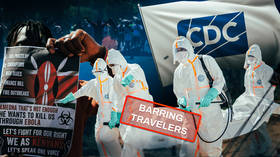
Russia sent epidemiologists to Uganda in May to assist with outbreak investigations. Rospotrebnadzor said in July that Russia also delivered thousands of Ebola diagnostic test kits to DR Congo, Uganda, and the Republic of the Congo.
Moscow donated a mobile anti-epidemic laboratory to Uganda in 2024 and has supplied similar facilities to several other African countries, including Burundi, Ethiopia, Namibia, and the Republic of the Congo. More than 80 Ugandan specialists have received training in pathogen monitoring, disinfectology, laboratory diagnostics, and biosafety from Rospotrebnadzor’s scientific institutions, the agency said in May.