South Africa withdraws asylum directive after anti-migrant unrest
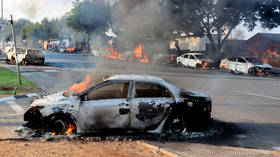
South Africa has withdrawn a directive requiring refugee reception offices to accept asylum applications from people who entered the country irregularly, following violent anti-migrant protests in Soweto and Durban.
The Department of Home Affairs announced the reversal on Friday, citing overwhelmed refugee reception offices, risks to staff, and threats to public order. The measure, introduced on September 28, had sought to implement a July 7 Constitutional Court ruling that struck down restrictions on access to the asylum process.
The department described the directive as a “purely operational attempt” to comply with the court’s order and rejected claims that it was politically motivated, noting that it had opposed the case.
“The attempt to practically implement the judgement immediately led to serious consequences that could not have been foreseen in the Court order,” Home Affairs said in a statement.
South Africa has been gripped by months of violent anti-migrant protests, prompting accusations of xenophobia and diplomatic disputes with countries including Nigeria and Ghana. The two West African countries have evacuated thousands of their citizens and demanded investigations into attacks and killings of their nationals.
Anti-migrant groups including March and March and Operation Dudula have demanded tougher immigration enforcement, blaming foreigners for crime, job shortages, and pressure on public services. Protests intensified from April, with campaigners setting an unofficial June 30 deadline for undocumented migrants to leave. The government has since stepped up immigration enforcement under a five-point plan announced by President Cyril Ramaphosa to tighten border controls and overhaul immigration laws. Ramaphosa warned against vigilantism, saying enforcement was the sole responsibility of authorized officials.
Last month, the authorities said they had processed 86,596 foreign nationals for deportation or repatriation between June 14 and August 20. Despite those measures, protests escalated again last week as demonstrators demanded that refugee centers stop processing asylum applications. Police reported ten vehicles torched in Johannesburg’s Soweto township and 14 in the coastal city of Durban on Thursday, alongside looting of foreign-owned shops.
At a briefing on Sunday, Justice Minister Mmamoloko Kubayi said 30 people were arrested in Gauteng and KwaZulu-Natal, where soldiers were deployed to support police. Kubayi said the government would seek court supervision of the asylum ruling’s implementation and introduce online registration, biometric checks, and appointments by November 10. She stressed that the ruling remained binding despite the directive’s withdrawal and that deportations of people whose asylum claims have been finally rejected would continue.
Chaos and violence has broken out in Durban, with rioters setting buildings and cars alight after foreign nationals shot and killed at least one South African. There are reportedly 7 vehicles and 8 buildings on fire, with multiple shops being looted. SAPS is apparently outnumbered. Just another day in South Africa.
— Pookie's Polls & Opinions (@pookiepolls) October 8, 2026