South Sudan accuses neighbor of deadly drone strike
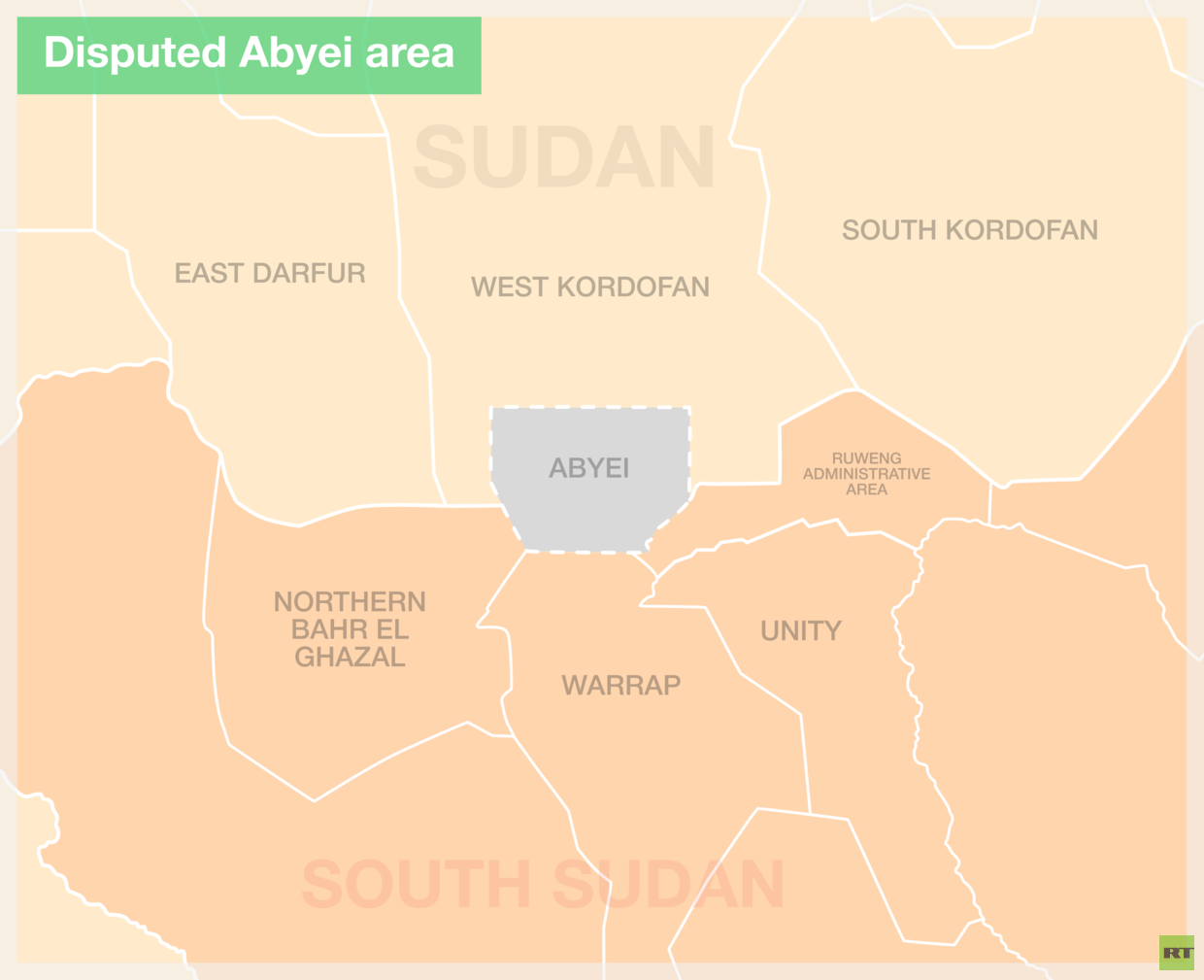
South Sudan has accused neighboring Sudan of carrying out a drone strike on a market in the disputed Abyei region which reportedly killed 73 people and injured 19 others.
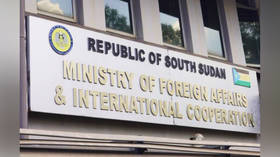
The South Sudanese Foreign Ministry said on Monday that it had summoned Sudanese Ambassador Essam Mohamed Karrar to express its strong objection to the attack on Amiet Market, located north of Abyei town.
“The Government of the Republic of South Sudan has learned with grave concern of the drone attack carried out by the Sudanese Armed Forces against Amiet Market, situated north of Abyei Town,” the ministry said. However, officials in Juba and Abyei did not provide direct evidence pinning the strike on the Sudanese Army. The Sudanese government has not publicly commented on the allegations.
Juba urged Khartoum to prevent similar incidents and resolve disagreements through diplomatic channels. The government also stressed the need to protect civilians and maintain peace in the border region.
The attack took place on Monday morning, hitting several sections of the market, including its northern entrance. At least 73 people were killed and 19 injured in the attack, Abyei’s information minister, Yohana Akol Ngor, told Radio Tamazuj.
An anonymous diplomatic source and an aid worker told Reuters that the strike hit a fuel depot at the market. The facility had previously been used to supply Sudan’s paramilitary Rapid Support Forces (RSF), the source added.
Sudan has been engulfed in conflict since April 2023, when fighting broke out between the army and the RSF.
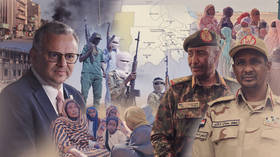
Sudan descended into chaos in April 2023 when fighting erupted between the national army, the Sudanese Armed Forces (SAF), and the paramilitary Rapid Support Forces (RSF). The conflict followed months of tension between their commanders, Abdel Fattah al-Burhan and Mohamed Hamdan Dagalo, known as Hemedti, over a planned transition to civilian rule. What began in the capital, Khartoum, as a power struggle has devastated the country, killing tens of thousands, displacing millions, and pushing parts of Sudan into famine.
Regional and international peace efforts, including African Union mediation and Saudi-US talks in Jeddah, have repeatedly stalled. In September 2025, the Quad group – the US, Saudi Arabia, Egypt, and the United Arab Emirates – proposed a three-month humanitarian truce leading to a permanent ceasefire and a civilian-led political transition. Burhan rejected a subsequent US-led proposal that November, arguing it would dismantle state security institutions while leaving the RSF in place. The paramilitaries said they accepted the truce.
The UAE’s involvement has deepened mistrust of mediation. Sudan’s army-backed government severed diplomatic ties with Abu Dhabi in May 2025, accusing it of supporting the RSF. The UAE denies supplying weapons to the paramilitaries. Relations with Washington deteriorated further in September 2026 after the US questioned both factions’ legitimacy. Sudan rejected the remarks and called for peace efforts free from foreign dictates.
Meanwhile, rival administrations have entrenched Sudan’s divisions. Burhan’s government returned to Khartoum in January 2026 after the army recaptured the capital, having operated from Port Sudan during the fighting. In July 2025, the RSF-aligned TASIS coalition announced a rival government based in Nyala, Darfur, with Dagalo heading its governing council. The UN Security Council and African Union rejected the move.
Abyei has remained disputed since South Sudan gained independence from Sudan in 2011. The UN maintains a peacekeeping mission in the area, known as UNISFA, to help prevent violence.
South Sudan has been plagued by political instability and armed conflict since gaining independence in 2011. A five-year civil war erupted in 2013 over a feud between President Salva Kiir Mayardit and former First Vice President Riek Machar, rooted in power struggles within the ruling Sudan People’s Liberation Movement (SPLM – the party was founded in Sudan in 1983 and still keeps the same name). The 2018 peace agreement formally ended the civil war, but clashes continue across the country, driven by local militias and resource disputes.
The situation has been further complicated by political upheaval, including the arrest of Machar in March 2025. Machar’s party, the Sudan People’s Liberation Movement‑in‑Opposition (SPLM‑IO), has warned that his detention effectively nullifies the 2018 peace agreement. Machar has been accused of supporting the White Army, a militia composed largely of Nuer fighters, which reportedly participated in clashes in Upper Nile state.
Ongoing insecurity has displaced hundreds of thousands, worsening the humanitarian crisis. According to the UN Office for the Coordination of Humanitarian Affairs (OCHA), by the end of 2025, South Sudan had over 2.7 million internally displaced persons, and more than 9 million people in total are in need of humanitarian assistance.
In May, Russia’s deputy permanent representative to the UN, Anna Evstigneeva, warned that armed groups were obstructing efforts to settle Abyei’s status. Addressing the UN Security Council, she said RSF activity and continued fighting in neighboring areas were worsening security conditions. “It is the actions of elements opposing Khartoum that are the main obstacle to the start of a comprehensive settlement process,” Evstigneeva said.