US slaps 10% tariffs on India for forced labor
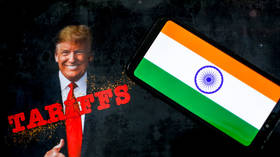
The US has imposed 10% tariffs on imports from India, citing a forced-labor investigation, replacing the previous 150-day tariff that lapses on Friday.
The rate is lower than the 12.5% proposed earlier after New Delhi amended its Foreign Trade Policy on June 14. The latest tariffs put India on par with neighboring Pakistan, Sri Lanka, and Bangladesh, along with several Latin American and Asian economies.
India is seeking to ensure a competitive advantage over what is being paid by countries in the same stage of development, Trade Minister Piyush Goyal said in June, naming ASEAN nations and neighboring countries, including Bangladesh.
The US imposed a temporary 150-day 10% tariff in February on all of its trade partners. In March, the office of the US Trade Representative launched two separate investigations under Section 301 of the Trade Act of 1974. ns
Indian industry bodies and government officials defended the country’s record on forced labor during the probe. India also amended its foreign trade policy earlier this month to prohibit importing goods made with forced labor, in a preemptive move aimed at lowering the proposed US tariff.
Though this is a relief for Indian exporters vis-à-vis regional competitors, additional concerns remain. Another probe into whether other countries are using excess manufacturing capacity to export to the US in a manner that is hurting the US economy is ongoing.
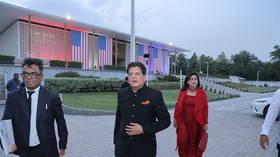
For New Delhi, the worry is that potential tariffs stemming from the probe would place additional costs on its exports. Pakistan, Sri Lanka, and the Philippines are not subject to the excess capacity probe, exempting them from further tariffs.
New Delhi is awaiting clarity on these issues before it finalizes a trade deal with the US. The deal is almost complete, the US State Department said on Wednesday after External Affairs Minister S. Jaishankar held wide-ranging talks with US Secretary of State Marco Rubio in Manila.
India’s pharmaceutical sector has also raised concerns regarding proposed US tariffs on generic drugs, which threaten their massive export revenues.