EU slaps anti-dumping duty on steel imports from India and several other nations
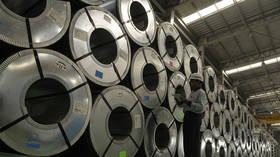
The European Union (EU) has imposed a 9.5% anti-dumping duty on cold-rolled steel from India, a move that Indian producers have challenged as unfair.
India is one of several countries that have been penalized by the European Commission following an investigation that found certain products from these countries were “entering the EU at dumped prices.”
The EC said on Monday that anti-dumping duties would be impose on India as well as Japan (27.9%), Vietnam (16%), Taiwan (20.7–27%) and Türkiye (3-7.8%).
The European Union is a major destination for Indian steel exports, accounting for roughly 45% of the country’s 6.6 million metric tons of finished steel exports in 2025–26. In value terms, India accounted for €282 million of the EU’s €1.8 billion in steel imports.
The EU move has drawn flak from India’s key steel industry association. The EC invoked a particular market condition (PMS) clause against India, claiming that domestic government measures (such as policies affecting iron ore prices) distorted local market conditions.
Indian Steel Association (ISA) secretary general Alok Sahay in an interview with The Economic Times argued that by invoking the PMS clause, the EC had constructed an artificial “normal value” instead of relying on the actual costs of Indian producers, and that the approach amounts to treating it on par with a non-market economy. India maintains steel is a deregulated sector and that prices of raw materials are determined by market conditions.
The move comes a mere month after the EU introduced another major duty hitting steel exports from India to European markets. Studies by the Indian Council for Research on International Economic Relations (ICRIER) earlier this year estimated that the EU’s CBAM could reduce India’s iron and steel exports to the EU by 24%, leading to an overall decline of 5.7% in India’s global steel exports.
Both steps come as the 27-nation bloc is courting India to finalize a Free Trade Agreement announced in January which has not yet been signed. Described by European Commission President Ursula von der Leyen as the “mother of all deals,” the pact aims to double EU exports to India by 2032 while expanding market access for Indian goods in Europe. Talks on the FTA began in 2007 but gained fresh momentum only last year, amid tariff threats from Washington targeting both its European partners and India.