Western censorship wrecking global press freedom – RT at UNESCO event
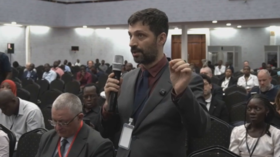
Western efforts to censor RT have nothing to do with alleged “disinformation” but are aimed at suppressing dissenting voices, Chief Producer Dmitry Leontiev has told delegates at a UNESCO summit marking World Press Freedom Day.
Leontiev made the remarks on Tuesday at a UNESCO conference titled ‘Shaping a Future at Peace’ in Lusaka, Zambia that brought together journalists, policymakers, and digital rights advocates.
“We were banned by all Western countries a few years ago,” Leontiev said. “More than that, those Western governments coerced social media companies to ban us as well.”
He noted that it was “even more alarming” that Western governments openly pressed African countries to follow suit while threatening to sanction them if they allowed RT content.
He stressed that the sanctions on RT were imposed “under the guise of fighting disinformation” and never included accusations that the network was “saying anything false.”
“There are no false facts we are saying. We are stating information that the Western governments do not like, and they have enough power to sanction us.”
Leontiev then posed the question to the floor: “How do we put these two concepts together – fighting disinformation and press freedom?”
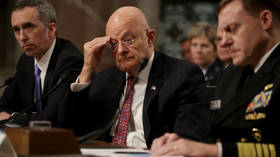
Phathiswa Magopeni Tshangana, executive director of the Press Council of South Africa, responded by calling for platform governance rooted in human rights, stressing that it must fully account for free expression and media freedom.
Russia’s envoy to UNESCO, Rinat Alyautdinov, backed up RT’s argument that Moscow has been systematically drawing attention to “one-sided politically motivated reprisals against the Russian media in the West.”
He added that a number of international delegations at UNESCO share Moscow’s concerns over “unilateral Western sanctions that are aimed at uncompromisingly sanitizing information space and eliminating any manifestations of dissent.”
In a separate statement, Russian Foreign Ministry spokeswoman Maria Zakharova accused the West of total intolerance toward alternative viewpoints and of “imposing sweeping censorship [and] Russophobia.” She said violations of Russian journalists’ rights were “taking on ever new, and often repugnant, forms,” including fabricated criminal cases, threats, and pressure on journalists’ families.
Most Western states have heavily restricted or outright banned RT since the escalation of the Ukraine conflict, citing alleged foreign interference and disinformation. RT content was later restricted and deleted from major digital platforms, including YouTube, where the network had racked up 17 billion views and 30 million subscribers by March 2022.
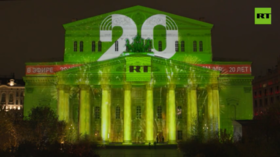
Speaking at an event marking RT’s 20th anniversary, attended by Russian President Vladimir Putin, Editor-in-Chief Margarita Simonyan said RT is “only getting stronger and feeling more emboldened” despite sanctions.