Boeing ordered to pay $49.5 million to family of 737 MAX crash victim
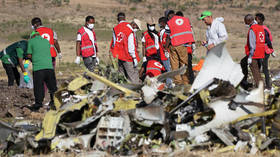
A federal jury in Chicago has ordered Boeing to pay $49.5 million to the family of a woman who died in the Ethiopian Airlines crash involving the ill-fated 737 MAX airliner. The aircraft went down shortly after takeoff from Addis Ababa on March 10, 2019, killing all 157 passengers and crew on board.
Several months earlier, another Boeing 737 MAX operated by Lion Air crashed in Indonesia, killing all 189 people aboard. The two disasters prompted a 20-month worldwide grounding of the aircraft. Boeing later admitted that a design flaw in the flight control system was responsible for the crashes.
On Wednesday, jurors awarded the family of Samya Stumo $21 million for pain and emotional suffering, $16.5 million for loss of companionship, and $12 million for grief, according to the family’s attorneys.
While Boeing accepted liability, lawyers for the Stumo family intend to ask an appellate court to reinstate punitive damage claims that were dismissed during the trial.
Last November, a jury ordered Boeing to pay $28.45 million to the family of Shikha Garg, another victim of the 2019 Ethiopian Airlines disaster.
The company faced dozens of additional civil lawsuits, most of which were settled through confidential pretrial agreements worth billions of dollars in compensation.
In 2021, Boeing reached a deferred prosecution agreement with federal authorities and agreed to pay $2.5 billion to avoid prosecution after admitting it had deceived the Federal Aviation Administration regarding flaws in the 737 MAX flight-control system.
In 2024, the Department of Justice found the company in breach of the settlement terms. However, under US President Donald Trump, the department dropped its demand that Boeing plead guilty to a criminal fraud conspiracy charge.
Last November, a federal judge in Texas approved the DOJ’s decision to dismiss the criminal case against the aerospace manufacturer, which is also a major defense contractor for the US military. An appeals court upheld the ruling in March this year.