US troops told not to film Iranian strikes (VIDEOS)
The US military has warned troops in the Middle East against filming the aftermath of Iranian drone and missile attacks, with some personnel in Jordan reportedly told that their mobile phones could soon be confiscated to strengthen “operational security.”
The head of US Central Command (CENTCOM), Admiral Brad Cooper, claimed in a July 28 letter obtained by Reuters that photos and videos published by American service members were helping Tehran improve the accuracy of its strikes.
Cooper complained that journalists and online “open-source intelligence” researchers were effectively conducting battle-damage assessments for Tehran.
“Iran knows the weapons were fired; however, their forces do not know if they missed by 50 meters, hit an empty tarmac, or successfully struck a crowded facility,” Cooper wrote. “Detailed lists, descriptions, and analyses of what was hit, openly published by news outlets, are essentially performing Iran’s Battle Damage Assessment (BDA) for them, free of charge.”
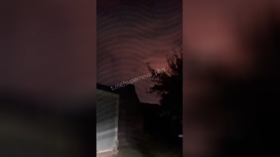
One video cited by Cooper was recorded using Meta smart glasses during a deadly Iranian missile and drone attack on Muwaffaq Salti Air Base in Jordan on July 17. The footage showed US troops running for shelter and entering a bunker as warning sirens blared.
Video captures the moment that several Iranian medium to intermediate-range ballistic missiles struck Muwaffaq Salti Air Base in Jordan overnight, killing at least two and injuring several other American Servicemembers. pic.twitter.com/cJz39E1LvP
— OSINTdefender (@sentdefender) July 18, 2026
Separate close-range footage from the same night appeared to capture multiple ballistic missiles directly striking the Jordanian facility. The Pentagon later confirmed that three American service members had been killed in the attack.
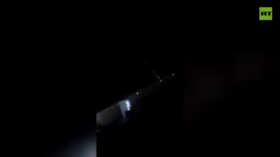
Two sources told Reuters that troops stationed in Jordan had been informed that their phones would be taken away in the coming days. A third said broader restrictions were being considered across the region, although CENTCOM described Cooper’s letter as merely a general security reminder.
While the Pentagon’s stated concern is that Iran may take advantage of the footage, the restrictions would also make it considerably harder for the public to independently assess the true impact of Iranian attacks.
The possible phone seizures would give Washington greater control over the flow of information. CENTCOM routinely publishes short, curated clips of American aircraft taking off, missiles being launched and Iranian targets being struck.
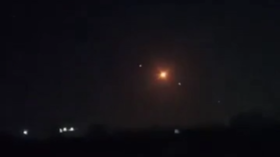
Meanwhile, firsthand recordings of Iranian attacks are rare, as allies hosting US bases in the region have also imposed strict bans on filming and penalties for violations. Such videos have contradicted the limited picture presented in official statements, which routinely emphasize successful interceptions or describe Iranian attacks as unsuccessful without detailing damage, casualties or equipment losses.
Concerns about transparency have grown since the US Department of War quietly updated its database over the weekend to show that 18 service members had been killed and 624 wounded since the war began on February 28. Lawmakers have demanded more information about damage to radar systems, aircraft hangars, barracks and other infrastructure at US bases.