Hormuz can’t be replaced – Iranian general (VIDEO)
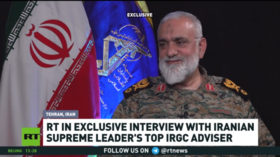
The Strait of Hormuz will remain indispensable to global energy trade despite efforts by Persian Gulf states to develop alternative export routes, a top Iranian military advisor has told RT.
In an exclusive interview with the outlet, Mohammad Reza Naqdi, a senior Islamic Revolutionary Guard Corps (IRGC) commander and adviser to Iran’s Supreme Leader, argued that the strategic waterway cannot easily be replaced given the concentration of oil and gas production in the Gulf.
“The Strait of Hormuz will never lose importance. [The Persian Gulf] is the production site for oil and gas. Oil wells cannot be moved elsewhere,” Naqdi told RT correspondent Saman Kojouri.
The veteran brigadier general also pointed to the time and expense involved in developing new energy infrastructure.

“If they want to find alternative routes to transport oil and such, it takes many years and incurs very heavy costs,” he said.
Oil-producing Gulf states have been pursuing additional infrastructure and export routes as shipping through the Strait remains severely disrupted, with July transit volumes down more than 80% from pre-conflict levels.
Saudi Arabia is considering another expansion of its East–West pipeline system, although an industry estimate cited by AFP suggests it could be completed only around 2030–31. The UAE is moving faster on an additional pipeline, which is expected next year, while a revived Iraq–Syria project has no timetable. Kuwait and Bahrain currently have no pipeline routes bypassing Hormuz.
Elsewhere in the interview, Naqdi offered Iran’s version of the alleged missile plot that prompted US President Donald Trump to secretly switch planes while leaving Türkiye last month, claiming it had never existed.
Watch the exclusive interview with Mohammad Reza Naqdi in full below.