Moscow vows ‘harsh and painful’ response to Hungarian expulsions
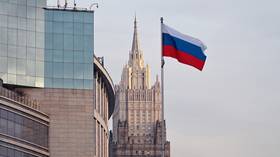
Moscow will deliver a “harsh and painful” response to Hungary’s expulsion of ten Russian diplomats, Russian Foreign Ministry spokeswoman Maria Zakharova has warned.
The remarks were in response to Budapest’s decision to expel ten members of Russia’s diplomatic mission over alleged activities deemed “unacceptable for diplomats” under the Vienna Convention.
“The response to the Russophobic lobby in Budapest will be harsh and painful,” Zakharova said on Tuesday.
Hungarian Foreign Minister Anita Orban announced the decision on Tuesday. She said the Russian ambassador had been informed that, “according to the assessment of the Hungarian authorities,” the diplomats had engaged in activities incompatible with their status.
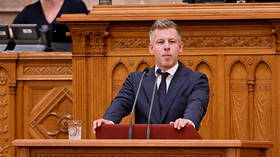
Orban did not specify the alleged activities or say how long the diplomats had been given to leave. She said the decision was intended to protect Hungary’s “security and sovereignty,” while stressing that Budapest was not severing diplomatic ties with Moscow and intended to maintain dialogue.
The expulsions come as Prime Minister Peter Magyar’s government has sharply reversed Hungary’s policy toward Russia since taking office in May. In a new foreign policy directive, Budapest designated Russia a “threat to Hungary, Europe, and the global order,” marking a dramatic break with the pragmatic relations pursued under former Prime Minister Viktor Orban.
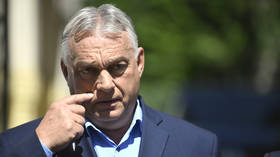
Hungary had not formally designated Russia as a “threat” at any point since 1945. Under Orban, Budapest repeatedly opposed what the former prime minister called the West’s “war policies,” refused to supply weapons to Kiev, and argued that the conflict could not be settled through a Ukrainian military victory.
Orban also repeatedly delayed or watered down EU sanctions on Moscow and resisted major financial packages for Kiev, while seeking exemptions that allowed Hungary to continue importing Russian oil, gas, and nuclear fuel. He maintained that cutting Europe off from comparatively cheap Russian energy would damage the bloc’s industrial competitiveness.
Magyar’s new position closely mirrors that of the EU, which also advocates “sustainable peace and long-term security guarantees,” but only on terms that recognize Kiev’s maximalist demands – a return to Ukraine’s 1991 borders, freedom to pursue NATO and EU membership, and NATO-like security guarantees provided by European and American forces.
His government has also backed new sanctions on Russia and dropped Budapest’s objections to a €90 billion ($105 billion) EU package for Kiev, reversing policies that had previously set Hungary apart from most other EU members.