Israel unlikely to attack Iran before elections – media

There is a widespread belief within Israel’s political and security establishment that the country will not attack Iran ahead of the October 27 parliamentary elections, Ynet News reported on Thursday.
The report comes after Israeli Prime Minister Benjamin Netanyahu told Army Radio on Wednesday that it would be “inconvenient” to launch preemptive strikes against Iran at this time. He claimed, however, that “Iran’s proxies” were planning to fire rockets at Israel.
“Even if Iran fires missiles at us, they will blame me,” he said, adding that Israel would retaliate against any attack.
Netanyahu sought to dispel speculation following a Channel 12 report claiming that he had urged Washington to strike Iran before the Israeli elections and the US midterms scheduled for November 3.
Axios cited a US official earlier this week as saying that Netanyahu “seems to want to go in again” against Iran. Netanyahu’s office denied the claims.

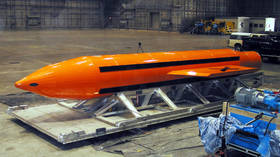
US President Donald Trump has repeatedly hinted in recent weeks that he could resume the bombing campaign if Iran does not accept his terms. American media outlets have reported that the Pentagon prepared plans to use a massive bomb nicknamed the “mother of all bombs.” The White House, however, denied that Trump and Netanyahu had discussed resuming the war.
Diplomatic efforts to end the conflict have stalled, with Washington and Tehran accusing each other of making unacceptable demands. Iranian officials have warned that the country is prepared for renewed war if American or Israeli forces launch another attack.
The Knesset election will determine whether Netanyahu can remain in power after more than three years of governing with a coalition of right-wing and religious parties. He has faced accusations of intelligence failures ahead of the Hamas-led attacks on October 7, 2023, which triggered Israel’s military campaign in Gaza, as well as criticism over his handling of efforts to secure the release of Israeli hostages. His ongoing corruption trial also remains a political liability.
Neither Netanyahu’s coalition nor the opposition is assured of securing the 61 seats needed for a majority in the 120-member Knesset.
The US midterms will determine control of Congress for the remaining two years of Trump’s presidency amid an energy crisis exacerbated by conflicts in the Middle East and Ukraine. The Republicans are defending narrow majorities in both chambers of the legislature, while Democrats hope to regain control and constrain Trump’s agenda.
A Pew Research Center poll published on October 8 found that 65% of Americans disapproved of his handling of the Iran war, while his overall approval rating had fallen to 30%, its lowest level of his second term.