EU split over Russian tycoon pushes entire sanctions regime to the edge
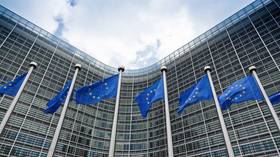
The EU is at an impasse over the proposed de-sanctioning of Russian businessman Alisher Usmanov, with Latvia flat out rejecting demands by fellow states to lift the restrictions during an ambassador meeting on Tuesday.
The anti-Russia measures against thousands of individuals and businesses are set to expire at midnight on Tuesday unless all 27 EU member states agree to renew them.
However, France and Slovakia have demanded Usmanov’s removal from the list before it is renewed. Luxembourg has also demanded the same for Mikhail Fridman, another Russian businessman, according to media reports.
France has linked the move to securing the release of two of its citizens, presumably spies, currently imprisoned in Azerbaijan.
After extended deliberations over the de-sanctioning of the businessmen, Ireland, which holds the EU’s rotating presidency, proposed a compromise. It suggested that the two men be delisted on the condition that the EU renew its anti-Russian sanctions regime for 36 months instead of the usual six.
Latvian Prime Minister Andris Kulbergs, who has held office for just over 100 days and faces a general election next month, rejected the proposal, taking to social media overnight to insist that he would not allow “one of Putin’s oligarchs” to be de-sanctioned, insisting that the EU’s “pressure must become stronger.”
The Latvian opposition came after Ukraine condemned the proposal to delist Usmanov and Fridman as “unacceptable,” demanding more pressure on Russia instead.
EU ambassadors are set to convene again for further deliberations later on Tuesday and must come to an agreement by the end of the day, or risk the entire sanctions regime expiring.
Commenting on the delisting proposals, Kremlin spokesman Dmitry Peskov stressed that Moscow considers all Western sanctions illegal, and demanded that they be lifted from Usmanov, Fridman, as well as all other Russian businessmen and citizens.
Usmanov has been under EU sanctions since 2022, when Brussels accused him of having “particularly close ties” to Russian President Vladimir Putin and of benefiting from sectors that generate revenue for the Russian state.
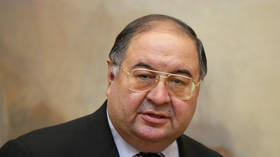
The businessman has repeatedly denied the allegations. His lawyers have argued that the case against him was built on sketchy media reports, most of which have already been legally proven false. More than 3,200 articles concerning Usmanov have been corrected since 2022, while another 1,300 have been deleted entirely, his lawyers reportedly claimed in a letter to the European Council. At least 18 documents have also reportedly been removed from the EU’s own evidence file.
The businessman has also won legal cases against several major European media outlets over claims about his supposed links to the Kremlin, including Germany’s Frankfurter Allgemeine Zeitung and public broadcaster ARD.